
0
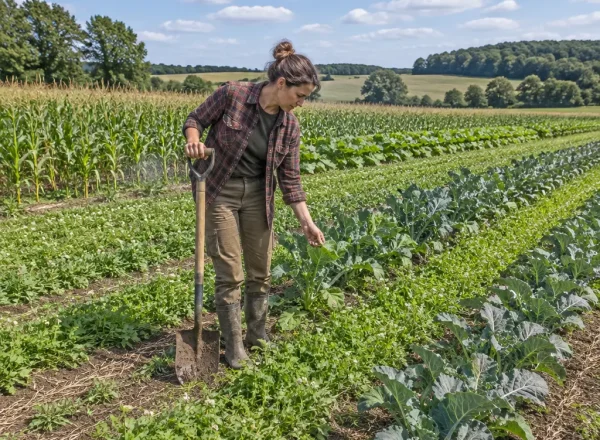
Can Regenerative Farming Actually Be Profitable?
Regenerative farming can be profitable, but it is not a guaranteed premium-price system: results depend on a farm’s starting soil and finances, […]
Regenerative farming can be profitable, but it is not a guaranteed premium-price system: results depend on a farm’s starting soil and finances, […]
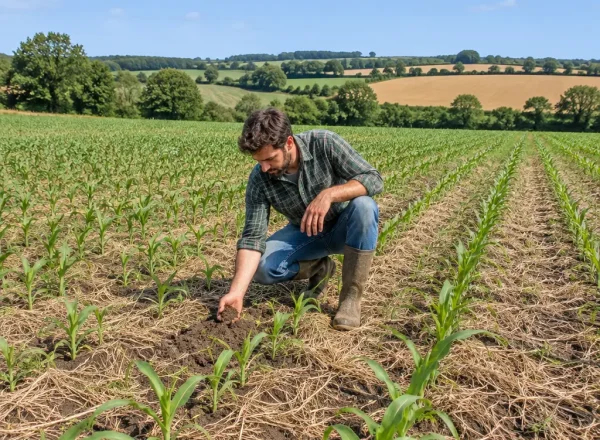
Healthy soil is living, functioning soil that supports plants, stores and moves water, cycles nutrients, and provides habitat for organisms. It is […]

Fresh seasonal vegetable delivery is a recurring service that brings produce grown or harvested in its natural local season to a household. […]
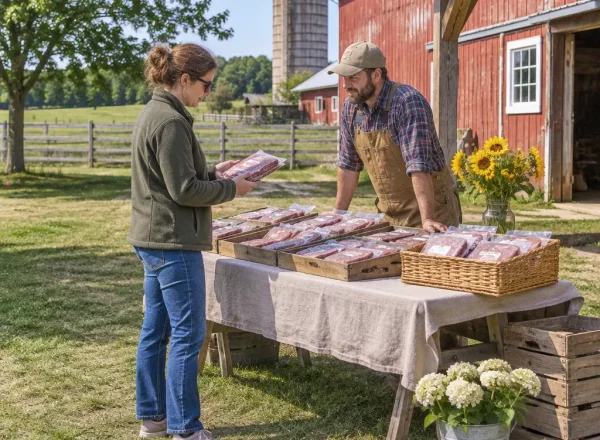
Grass-fed meat is meat from animals raised on grass and forage, though labels and finishing practices can differ, so buying directly from […]
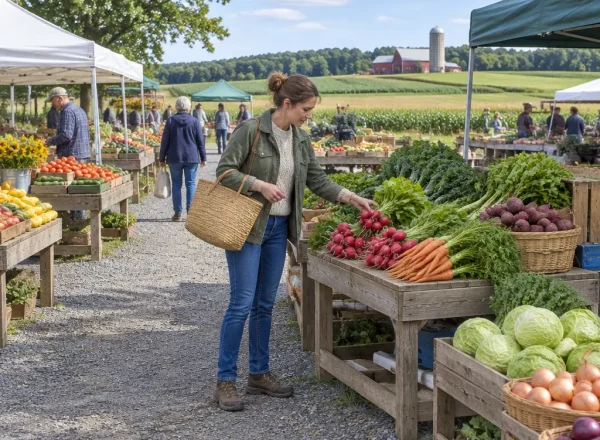
Fresh food from local farms can be ordered through farm websites, farmers’ markets, community-supported agriculture (CSA) subscriptions, food hubs, and online marketplaces. […]
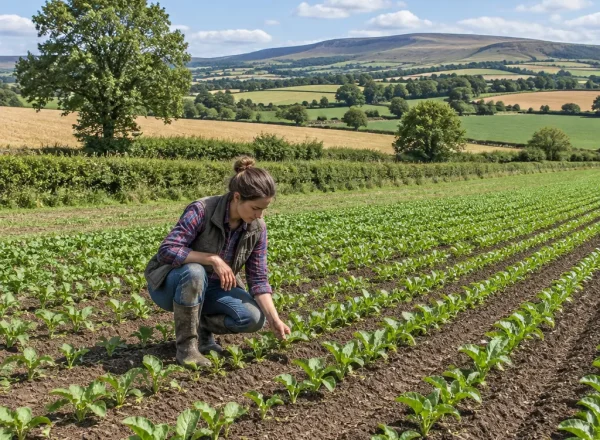
Sustainable food economies are systems that produce, process, distribute, and sell food in ways that support livelihoods and communities while protecting natural […]
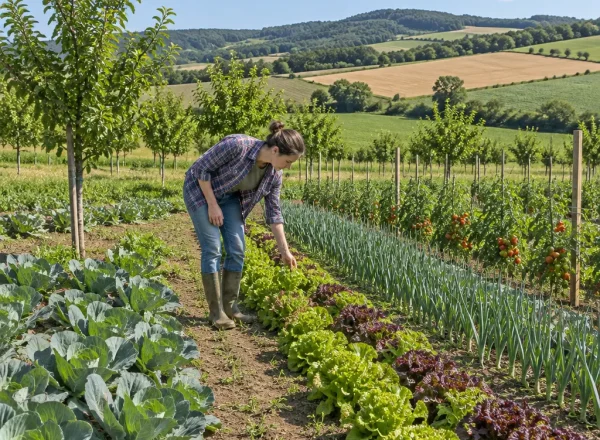
Food systems—the connected activities and institutions involved in producing, processing, distributing, preparing, and consuming food—are economically strong and environmentally responsible when they […]
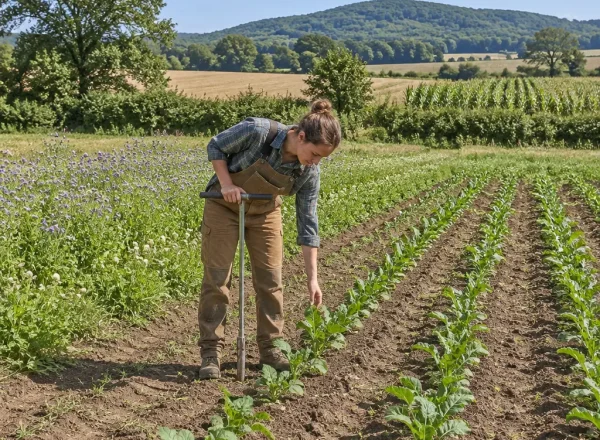
Responsible farming is the production of food and agricultural products in ways that protect soil, water, biodiversity, animal welfare, and the people […]
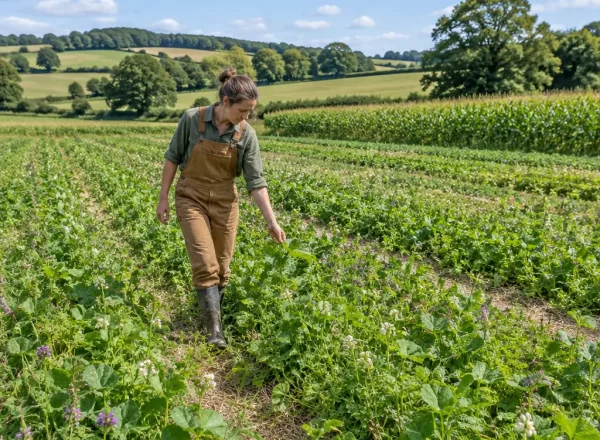
Regenerative agriculture is a set of farming approaches intended to restore soil health and strengthen the ecological processes that support food production. […]
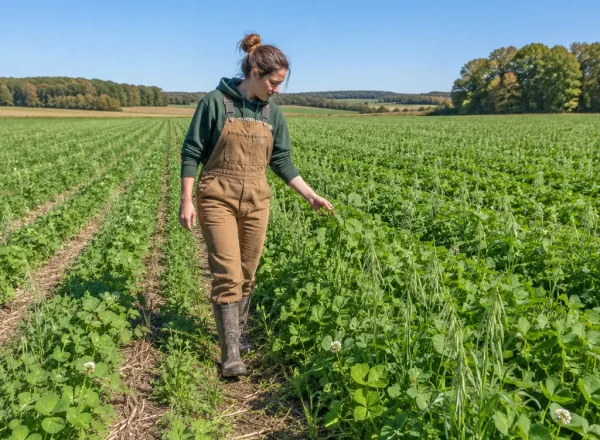
Regenerative agriculture is a broad approach to farming that aims to restore soil and ecosystem health while producing food. It can help […]